Healthy Snacks
When it comes to managing stress, what we eat plays a crucial role in our overall well-being. Consuming nutritious snacks can not only satisfy hunger but also help reduce stress levels. By choosing the right foods, we can promote relaxation and improve our mood throughout the day.
Nutritious Snack Examples
- Almonds: Rich in magnesium, almonds can help regulate cortisol levels, a hormone associated with stress.
- Greek Yogurt: Packed with protein and probiotics, Greek yogurt can support gut health, which is linked to mood and stress management.
- Dark Chocolate: A small piece of dark chocolate can boost serotonin levels in the brain, helping to reduce stress and improve mood.
Recipes for Stress-Reducing Snacks
- Avocado Toast: Mash up avocado and spread it on whole-grain toast, topped with a sprinkle of sea salt and red pepper flakes for a nutritious and satisfying snack.
- Fruit and Nut Mix: Combine dried fruits like apricots and cranberries with nuts such as walnuts and almonds for a tasty and energizing snack.
- Cucumber Hummus Bites: Slice cucumbers and top them with hummus and cherry tomatoes for a refreshing and stress-relieving snack option.
Wellness Programs
Wellness programs for stress management – Wellness programs play a crucial role in managing stress by focusing on holistic approaches to improve mental, emotional, and physical well-being. These programs aim to promote a healthy lifestyle, reduce stress levels, and enhance overall quality of life.
Types of Wellness Programs for Stress Reduction
There are several types of wellness programs specifically designed to target stress reduction. These programs may include:
- Mindfulness Meditation: This program focuses on teaching individuals how to stay present and calm through meditation practices.
- Yoga and Tai Chi Classes: These programs combine physical activity with relaxation techniques to reduce stress and improve overall well-being.
- Stress Management Workshops: These workshops provide tools and strategies to help individuals cope with stress effectively.
Comparison of Wellness Programs for Mental and Emotional Well-being
Various wellness programs are tailored to improve mental and emotional well-being, each with its unique approach and benefits:
| Wellness Program | Focus | Benefits |
|---|---|---|
| Art Therapy | Emotional Expression | Enhanced self-awareness and emotional healing |
| Cognitive Behavioral Therapy (CBT) | Thought Patterns | Restructuring negative thoughts and behaviors |
| Nutrition Counseling | Diet and Gut Health | Improved mood and overall well-being through a balanced diet |
Physical Therapy
Physical therapy can be a valuable tool in managing stress by helping individuals release tension, improve physical well-being, and promote relaxation. Incorporating physical therapy techniques into a stress management routine can provide numerous benefits for both the body and mind.
Techniques for Stress Relief
- Massage Therapy: Massage helps relax muscles, release endorphins, and reduce physical tension caused by stress.
- Yoga: Practicing yoga can improve flexibility, reduce stress hormones, and promote mindfulness and relaxation.
- Progressive Muscle Relaxation: This technique involves tensing and then relaxing different muscle groups to relieve physical tension and promote relaxation.
- Aerobic Exercise: Engaging in physical activity like running or dancing can help release endorphins, improve mood, and reduce stress levels.
Benefits of Incorporating Physical Therapy
- Reduction of Muscle Tension: Physical therapy techniques can help release tension stored in muscles, promoting relaxation and reducing physical discomfort.
- Improved Circulation: Activities like massage therapy and aerobic exercise can improve blood flow, leading to better oxygenation of the body and enhanced overall well-being.
- Stress Hormone Regulation: Engaging in physical therapy can help regulate stress hormones like cortisol, promoting a more balanced physiological response to stress.
- Promotion of Mindfulness: Many physical therapy techniques, such as yoga, emphasize mindfulness and present-moment awareness, which can help individuals manage stress more effectively.
Health Coaching
Health coaches play a crucial role in assisting individuals with stress management by providing personalized guidance, support, and motivation to help them achieve their wellness goals.
Benefits of Health Coaching
- Health coaching helps individuals set realistic and achievable wellness goals by creating personalized action plans tailored to their specific needs and lifestyle.
- Coaches provide ongoing support and accountability to help individuals stay on track and make positive lifestyle changes.
- Through regular check-ins and progress assessments, health coaches help individuals identify barriers and develop strategies to overcome them, leading to long-term success in stress reduction.
Success Stories
“After working with a health coach, I was able to manage my stress levels more effectively by implementing mindfulness practices and healthy habits into my daily routine. I feel more energized, focused, and balanced than ever before.” – Sarah
“Thanks to the guidance and support of my health coach, I was able to prioritize self-care and make healthier choices, which significantly reduced my stress levels and improved my overall well-being. I am grateful for the positive impact health coaching has had on my life.” – Mark
Medical Advancements
In recent years, medical advancements have played a crucial role in enhancing stress management techniques and improving the treatment of stress-related disorders. These breakthroughs have not only provided more effective solutions but have also paved the way for future possibilities in utilizing technology for stress relief.
Advancements in Stress Management
- One significant advancement is the development of wearable devices that monitor stress levels in real-time. These devices can track physiological markers such as heart rate variability and skin conductance, providing individuals with valuable insights into their stress levels.
- Telemedicine has also revolutionized stress management by allowing individuals to access mental health professionals remotely. This has increased the accessibility of therapy and counseling services, particularly for those in remote areas or with limited mobility.
- Furthermore, the use of virtual reality (VR) technology in exposure therapy has shown promising results in treating stress-related disorders such as post-traumatic stress disorder (PTSD) and phobias. VR simulations create controlled environments for patients to confront their fears safely.
Improved Treatment of Stress-Related Disorders
- Advancements in pharmacology have led to the development of more targeted medications for stress-related disorders. These medications have fewer side effects and are more effective in managing symptoms such as anxiety and depression.
- Neurofeedback therapy, a non-invasive technique that trains individuals to control their brainwave patterns, has shown effectiveness in treating stress-related disorders by promoting relaxation and reducing hyperarousal.
- Gene therapy research is exploring the potential of genetic interventions to regulate stress responses and mitigate the impact of stress on mental health. This personalized approach holds promise for more tailored treatment strategies in the future.
Future Possibilities for Utilizing Medical Advancements
- Artificial intelligence (AI) algorithms are being developed to analyze large datasets of stress-related biomarkers and predict individual stress responses. This personalized approach could lead to more precise interventions and treatment plans.
- Brain stimulation techniques, such as transcranial magnetic stimulation (TMS) and deep brain stimulation (DBS), are being explored as potential treatments for stress-related disorders by targeting specific brain regions involved in stress regulation.
- Advances in nanotechnology may offer new delivery methods for stress-relief medications, allowing for targeted drug delivery to the brain and minimizing systemic side effects. Nanoparticles could enhance the efficacy of existing treatments for stress management.
Fitness Goals
Setting fitness goals is a crucial component of managing stress effectively. Physical fitness and stress reduction are closely related, and achieving fitness goals can have a significant impact on mental well-being.
The Relationship Between Physical Fitness and Stress Reduction
Regular exercise and physical activity have been shown to reduce stress levels by releasing endorphins, which are known as the body’s natural stress relievers. Exercise also helps improve sleep quality, boost mood, and increase overall energy levels, all of which contribute to better stress management.
Tips for Setting Realistic Fitness Goals
- Start small and gradually increase intensity: Setting achievable goals that align with your current fitness level is key to avoiding burnout and staying motivated.
- Be specific and measurable: Instead of a vague goal like “get in shape,” aim for specific targets like running a certain distance or lifting a particular weight.
- Track your progress: Keeping a record of your workouts and achievements can help you stay on track and celebrate your successes along the way.
- Seek professional guidance: Consulting with a fitness trainer or health coach can provide personalized recommendations and support to help you reach your goals safely and effectively.
Impact of Achieving Fitness Goals on Mental Well-being
Reaching fitness goals not only improves physical health but also has a positive impact on mental well-being. Accomplishing goals boosts self-confidence, reduces feelings of anxiety and depression, and enhances overall quality of life. The sense of accomplishment and empowerment that comes with achieving fitness goals can help individuals better cope with stress and maintain a positive outlook on life.
Balanced Nutrition
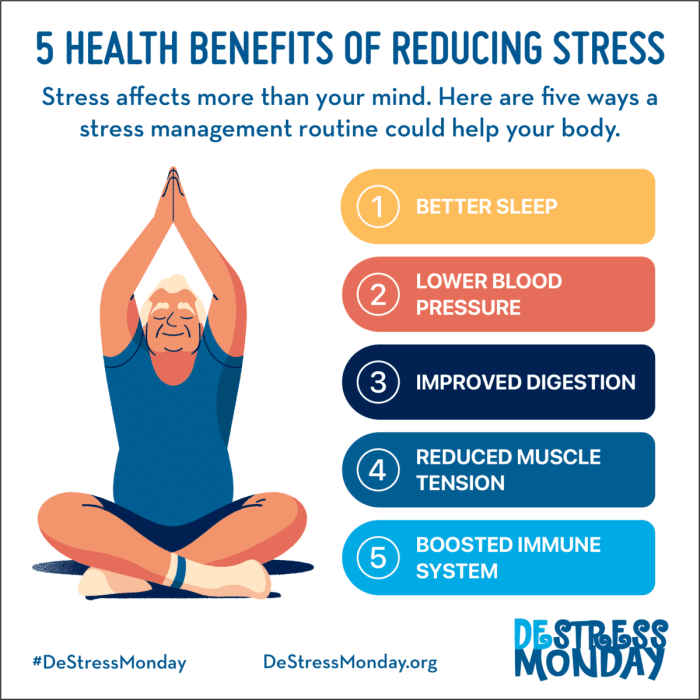
Ensuring a balanced diet is crucial in combating stress and promoting overall wellness. The nutrients we consume play a key role in managing stress levels and supporting our mental and physical health.
Key Nutrients for Stress Management
Several nutrients are known for their stress-relieving properties. Here are some examples:
- Omega-3 fatty acids: Found in fatty fish, flaxseeds, and walnuts, omega-3s can help reduce anxiety and promote brain health.
- Magnesium: Foods like spinach, almonds, and avocado are rich in magnesium, which can help relax muscles and calm the nervous system.
- Vitamin C: Citrus fruits, bell peppers, and strawberries are excellent sources of vitamin C, which can reduce stress hormone levels.
Tips for Maintaining a Balanced Diet
Here are some tips to help you maintain a balanced diet to support overall wellness and reduce stress:
- Include a variety of colorful fruits and vegetables in your meals to ensure you get a range of vitamins and minerals.
- Choose whole grains like quinoa, brown rice, and oats to provide sustained energy and support mood stability.
- Limit processed foods high in sugar, salt, and unhealthy fats, as they can contribute to feelings of stress and fatigue.
- Stay hydrated by drinking plenty of water throughout the day to support optimal brain function and overall well-being.
Mental Strength
Building mental resilience is crucial for coping with stress in our daily lives. It involves developing the ability to adapt to challenges, manage emotions effectively, and maintain a positive outlook even in difficult situations. Mental strength plays a significant role in stress management, as it allows individuals to navigate stressors more efficiently and bounce back from setbacks.
Strategies for Building Mental Resilience
- Practice mindfulness and meditation to cultivate awareness of thoughts and emotions.
- Engage in regular physical exercise to boost mood and reduce anxiety.
- Develop healthy coping mechanisms such as journaling, talking to a friend, or seeking professional help when needed.
- Set realistic goals and prioritize tasks to avoid feeling overwhelmed.
- Practice self-care activities that promote relaxation and rejuvenation, such as taking a bath, going for a walk, or listening to calming music.
Connection Between Mental Strength and Stress Management
Mental strength enhances our ability to cope with stress by fostering a resilient mindset that allows us to face challenges with courage and determination. When we have strong mental resilience, we are better equipped to handle pressure, adapt to change, and maintain a sense of balance amidst chaos.
Exercises to Improve Mental Strength
- Positive affirmations: Repeat affirming statements to yourself daily to boost self-confidence and promote a positive mindset.
- Visualization techniques: Imagine yourself overcoming obstacles and achieving your goals to build mental resilience.
- Breathing exercises: Practice deep breathing techniques to calm the mind and reduce stress levels.
- Gratitude journaling: Write down things you are grateful for each day to cultivate a sense of appreciation and positivity.
- Challenge negative thinking: Identify and challenge negative thought patterns to reframe them in a more positive light.
Yoga Practice
Yoga is a powerful holistic approach to stress management that combines physical postures, breathing techniques, and meditation to promote overall well-being.
By incorporating yoga into a stress relief routine, individuals can experience both mental and physical benefits that contribute to a sense of calm and relaxation.
Types of Yoga Practices for Stress Reduction
- Hatha Yoga: Focuses on physical postures and breathing exercises to align the body and mind.
- Vinyasa Yoga: Involves flowing sequences of poses that synchronize movement with breath, promoting a meditative state.
- Restorative Yoga: Uses props like blankets and bolsters to support the body in gentle poses, allowing for deep relaxation and stress release.
Mental and Physical Benefits of Yoga for Stress Relief
- Improves flexibility and strength, reducing physical tension and promoting relaxation.
- Enhances mental clarity and focus, helping to calm the mind and reduce anxiety.
- Regulates breathing patterns, promoting deep relaxation and stress reduction.
- Encourages mindfulness and present moment awareness, reducing rumination and promoting emotional well-being.
Health Education
Health education plays a crucial role in promoting stress awareness and management by providing individuals with the necessary knowledge and skills to understand and cope with stress effectively.
Importance of Educating Individuals about Stress-Related Health Issues
It is essential to educate individuals about stress-related health issues as chronic stress can lead to various physical and mental health problems. By understanding the impact of stress on the body and mind, individuals can take proactive steps to prevent and manage stress effectively.
Resources for Accessing Reliable Health Education Materials Related to Stress
- Health Websites: Websites like Mayo Clinic, WebMD, and CDC provide reliable information on stress management and its impact on health.
- Books and Publications: Reading books and publications by experts in the field of stress management can provide valuable insights and tips on how to deal with stress effectively.
- Health Seminars and Workshops: Attending health seminars and workshops conducted by healthcare professionals can offer practical guidance on managing stress and improving overall well-being.
- Online Courses: Enrolling in online courses on stress management and mindfulness can help individuals develop coping strategies and enhance their resilience to stress.
Weight Management
Maintaining a healthy weight is essential for overall well-being and can significantly impact stress levels. Excess weight can lead to various health issues, including increased stress and anxiety. By focusing on weight management, individuals can improve their physical health and reduce stress levels.
Importance of Achieving and Maintaining a Healthy Weight
Achieving and maintaining a healthy weight is crucial for stress management and overall health. Here are some tips to help you reach and sustain a healthy weight to better manage stress:
- Focus on balanced nutrition: Incorporate a variety of fruits, vegetables, whole grains, lean proteins, and healthy fats into your diet.
- Stay hydrated: Drink an adequate amount of water throughout the day to support your metabolism and overall health.
- Engage in regular physical activity: Exercise regularly to burn calories, improve mood, and reduce stress.
- Avoid emotional eating: Find alternative ways to cope with stress instead of turning to food for comfort.
- Monitor portion sizes: Be mindful of portion control to prevent overeating and maintain a healthy weight.
Impact of Weight Management on Overall Well-Being
Weight management plays a significant role in overall well-being and stress levels. By maintaining a healthy weight, individuals can experience improved energy levels, enhanced self-esteem, and reduced risk of chronic diseases. Additionally, achieving a healthy weight can positively impact mental health and help individuals better cope with stressors in their daily lives.
Health Checkups
Regular health checkups play a crucial role in monitoring stress-related health indicators and overall well-being. These checkups help in early detection of any health issues, including those exacerbated by stress, allowing for timely intervention and management.
Scheduling and Attending Routine Health Checkups
- Make a habit of scheduling annual checkups with your primary care physician or relevant specialists.
- Discuss any stress-related symptoms or concerns during your checkup to receive appropriate guidance and support.
- Follow through with recommended screenings and tests to assess your health status accurately.
- Keep a record of your checkup results and follow-up on any necessary treatments or lifestyle changes.
Role of Preventive Healthcare in Stress Management
Regular health checkups are a form of preventive healthcare that helps in reducing stress levels and promoting overall wellness. By proactively monitoring your health through checkups, you can identify potential stress triggers or health issues early on, allowing for effective prevention and management strategies to be implemented.
Skin Health
Skin health is closely linked to stress management, as stress can have a significant impact on our skin’s appearance and overall health. When we are stressed, our body releases cortisol, which can lead to increased oil production, breakouts, and skin inflammation. It can also impair the skin’s ability to repair itself, leading to dullness and premature aging.
Skincare Tips for Stress-Induced Skin Conditions
- Avoid harsh skincare products that can further irritate the skin. Opt for gentle, soothing cleansers and moisturizers.
- Practice relaxation techniques such as deep breathing, meditation, or yoga to help reduce stress levels, which can in turn improve skin health.
- Stay hydrated by drinking plenty of water throughout the day to keep the skin hydrated and healthy.
- Eat a balanced diet rich in antioxidants, vitamins, and minerals to support skin health and combat the effects of stress.
Skincare Products for Relaxation and Stress Relief
- Look for skincare products containing ingredients like lavender, chamomile, or rosemary, known for their calming and stress-relieving properties.
- Incorporate aromatherapy into your skincare routine with essential oils like lavender or bergamot to promote relaxation and reduce stress.
- Consider scheduling regular facials or spa treatments that focus on relaxation and stress relief, such as facial massages or soothing masks.
Emotional Health
Emotional well-being plays a crucial role in managing stress levels and overall wellness. When our emotions are balanced and healthy, we are better equipped to cope with the challenges and pressures of daily life.
Strategies for nurturing emotional health involve practices such as mindfulness, self-reflection, and seeking support from loved ones or mental health professionals. It’s important to prioritize activities that bring joy, relaxation, and a sense of fulfillment to your life.
Importance of Emotional Self-Care
- Practice self-compassion and self-acceptance to build resilience against stressors.
- Engage in activities that promote emotional release, such as journaling or creative expression.
- Set boundaries in relationships and learn to say no when necessary to protect your emotional well-being.
- Seek therapy or counseling if needed to address underlying emotional issues and develop healthy coping mechanisms.
Health Motivation

Maintaining a healthy lifestyle and managing stress can be challenging, but staying motivated is key to achieving wellness goals. Motivation plays a crucial role in keeping us focused and committed to making positive changes in our lives. Here, we will explore techniques for boosting health motivation and overcoming obstacles during challenging times.
Techniques for Staying Motivated
- Set achievable goals: Break down larger wellness goals into smaller, manageable steps to track progress and stay motivated.
- Reward yourself: Celebrate small victories along the way to maintain motivation and reinforce positive behaviors.
- Find a support system: Surround yourself with friends, family, or a health coach who can provide encouragement and accountability.
- Stay positive: Focus on the benefits of a healthy lifestyle and remind yourself of the improvements in your overall well-being.
Role of Motivation in Wellness Goals
- Motivation acts as a driving force behind making healthy choices and sticking to wellness routines, especially when faced with challenges.
- It helps individuals stay consistent with stress management practices and encourages perseverance in the face of setbacks.
Boosting Health Motivation during Challenging Times
- Practice mindfulness and meditation to reduce stress and enhance focus on wellness goals.
- Engage in physical activity to boost mood and energy levels, promoting motivation for healthy habits.
- Seek inspiration from success stories of others who have overcome similar challenges and achieved their health goals.
- Visualize the positive outcomes of maintaining a healthy lifestyle to stay motivated and committed to self-care.
Physical Activities
Regular physical activity plays a crucial role in managing stress and promoting overall well-being. Engaging in physical activities not only helps reduce stress levels but also improves mood, boosts energy, and enhances sleep quality.
Benefits of Physical Activities for Stress Relief, Wellness programs for stress management
- Release of endorphins, also known as “feel-good” hormones, which help alleviate stress and anxiety.
- Improvement in cardiovascular health, leading to better resilience against stress.
- Enhancement of overall physical fitness, which can increase self-confidence and reduce stress levels.
Variety of Physical Activities for Stress Reduction
- Cardiovascular exercises like running, cycling, or dancing to elevate heart rate and release tension.
- Strength training through weightlifting or bodyweight exercises to build physical resilience and confidence.
- Mind-body activities like yoga or tai chi to promote relaxation and mindfulness.
Importance of Regular Exercise for Physical and Mental Well-being
Regular exercise not only improves physical health but also has profound benefits for mental well-being. It helps in:
- Reducing symptoms of depression and anxiety.
- Enhancing cognitive function and memory.
- Promoting better sleep patterns and overall energy levels.
Health Awareness
Raising awareness about stress and its impact on health is crucial in today’s fast-paced world. Stress can have detrimental effects on both physical and mental health, leading to various conditions if not managed effectively.
Significance of Health Awareness
- Increased awareness can help individuals recognize the signs of stress early on, allowing for timely intervention and prevention of further health issues.
- By understanding the effects of stress on the body, individuals are more likely to take proactive steps towards managing their stress levels and prioritizing self-care.
- Health awareness empowers individuals to make informed decisions about their well-being, leading to a healthier and more balanced lifestyle.
Promoting Health Awareness
- Organize workshops and seminars to educate the community about stress management techniques and the importance of mental health.
- Collaborate with healthcare professionals to provide resources and information on stress-related conditions and how to prevent them.
- Utilize social media platforms and other communication channels to share tips, strategies, and success stories related to stress management and overall health.
Strategies for Community Health Awareness
- Partner with local schools, workplaces, and community centers to implement wellness programs and initiatives that focus on stress management and mental well-being.
- Offer free health screenings, consultations, and resources to encourage individuals to prioritize their health and seek support when needed.
- Create support groups or online forums where individuals can share their experiences, challenges, and successes in managing stress effectively.
Preventive Medicine: Wellness Programs For Stress Management
Preventive medicine plays a crucial role in addressing stress-related health issues by focusing on proactive measures to prevent illnesses before they occur. By identifying risk factors and implementing strategies to reduce them, preventive medicine aims to promote overall well-being and reduce the impact of stress on the body.
Examples of Preventive Measures
- Regular exercise: Engaging in physical activity can help reduce stress levels and improve overall health.
- Healthy diet: Consuming a balanced diet rich in nutrients can support the body in coping with stress.
- Stress management techniques: Learning and practicing relaxation techniques such as meditation or deep breathing can help in managing stress effectively.
- Regular health check-ups: Monitoring health status through regular check-ups can help in early detection and prevention of stress-related illnesses.
Connection between Preventive Medicine and Long-Term Stress Management
Preventive medicine practices are closely linked to long-term stress management as they focus on identifying and addressing underlying factors that contribute to stress-related health issues. By taking proactive steps to maintain overall health and well-being, individuals can reduce the risk of developing chronic conditions associated with stress. Incorporating preventive measures into daily routines can lead to better stress management and improved quality of life.
Nutritional Counseling
Nutritional counseling plays a vital role in supporting stress management goals by helping individuals make informed decisions about their diet and lifestyle choices. By working with a professional in this field, individuals can receive personalized guidance on how to optimize their nutrition to reduce stress levels and improve overall well-being.
Benefits of Seeking Professional Guidance
- Customized Meal Plans: A qualified nutritional counselor can create personalized meal plans tailored to an individual’s specific needs and goals, including stress management.
- Identifying Triggers: Professionals can help identify food triggers that may exacerbate stress and recommend alternatives to promote relaxation and reduce anxiety.
- Education and Support: Nutritional counselors offer valuable education and support to help individuals understand the connection between food and stress, empowering them to make healthier choices.
- Monitoring Progress: Regular sessions with a counselor allow for ongoing monitoring of progress and adjustments to the nutrition plan as needed to better manage stress levels.
Tips for Finding a Qualified Nutritional Counselor
- Credentials: Look for counselors with relevant certifications and qualifications in nutrition and dietetics to ensure they have the necessary expertise.
- Experience: Seek counselors with experience in working with individuals on stress management and mental health-related nutrition concerns.
- Personal Fit: Choose a counselor with whom you feel comfortable sharing personal information and discussing your goals for stress management.
- Referrals: Ask for recommendations from healthcare providers, friends, or family members who have had positive experiences with nutritional counselors.
- Cost and Accessibility: Consider the cost of sessions and the counselor’s availability to ensure it aligns with your budget and schedule for consistent support.
Healthy Mind
Maintaining a healthy mind is crucial for overall well-being and effective stress management. A healthy mindset can help individuals cope with daily stressors and contribute to long-term stress relief.
Tips for Maintaining Mental Wellness
- Acknowledge and accept your emotions without judgment.
- Practice mindfulness and meditation to stay present and reduce anxiety.
- Engage in activities that bring you joy and relaxation, such as hobbies or spending time in nature.
- Stay connected with supportive friends and family members for emotional support.
- Set realistic goals and priorities to manage stress effectively.
Importance of Cultivating a Healthy Mindset
Cultivating a healthy mindset is essential for long-term stress relief as it helps individuals build resilience and cope with challenges effectively. A positive outlook can improve overall well-being and mental health.
FAQ Overview
How do wellness programs help in managing stress effectively?
Wellness programs offer a holistic approach that combines various strategies like physical activities, mental strength exercises, and nutritional counseling to equip individuals with tools to combat stress and promote overall well-being.
Are there specific types of wellness programs that target stress reduction?
Yes, there are various wellness programs specifically designed to address stress management, such as yoga practices, health coaching sessions, and fitness goals tailored to reduce stress levels effectively.
What are some examples of recent medical advancements that aid in stress management?
Recent advancements in medicine and technology, such as wearable stress monitors and stress-relief apps, have improved the treatment of stress-related disorders and offer innovative solutions for stress relief.


More Stories
Techniques for improving emotional health during transitions: Strategies for a Smooth Transition
Weight management for diabetes prevention: Strategies and Tips to Stay Healthy